

by Charisse Baker
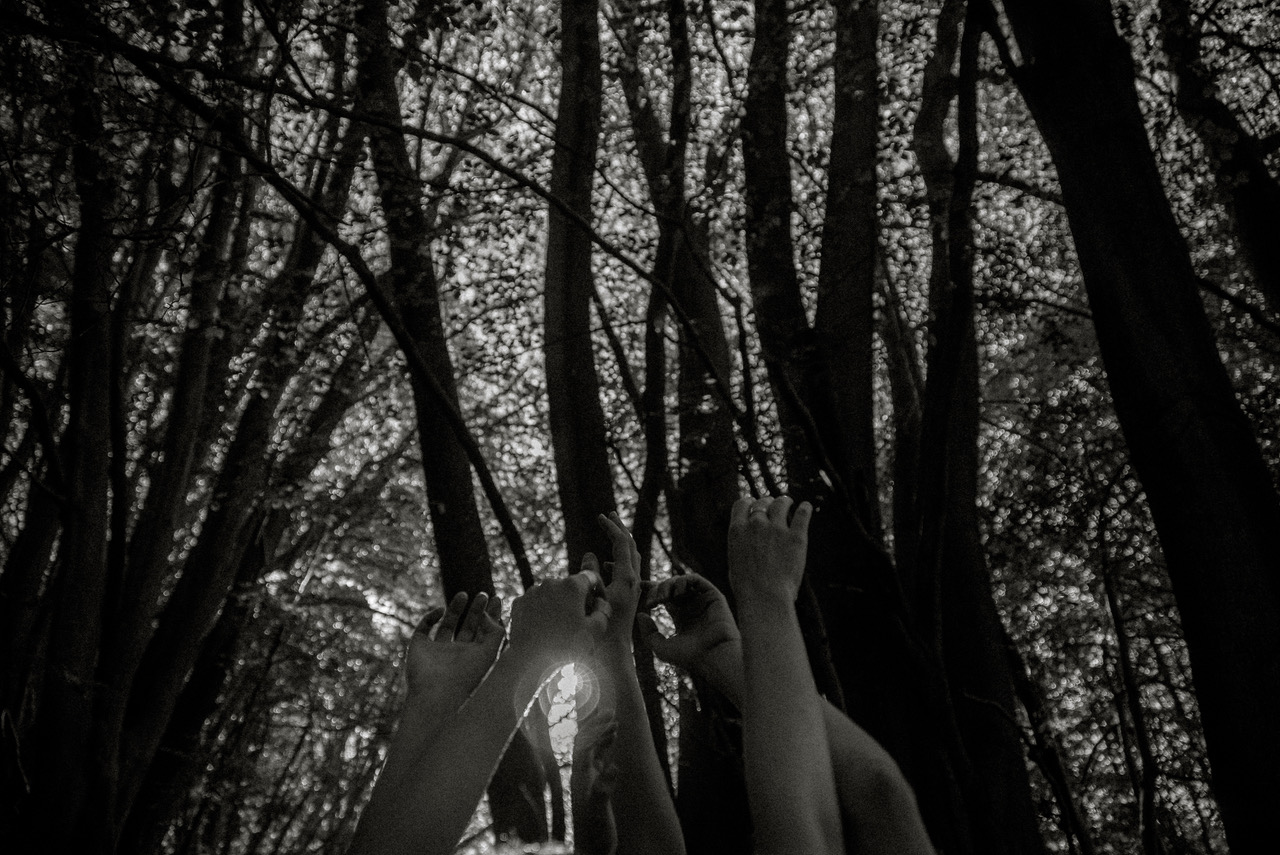
The Bulb is a long-form ecosomatic rest practice made specifically for where pregnancy meets chronic pain, chronic illness and hypermobility.
I have hypermobile Ehlers-Danlos Syndrome and dysautonomia, and have had several spinal surgeries.
What I bring is a body and mind that needed this kind of guided rest when I was pregnant over a decade ago, alongside many years of offering these scores to others in a private setting.
The Bulb sits slightly outside my current research and draws primarily from the structure of yoga nidra. However, many of the questions I have been working with are present: limited and changeable energy, what an instruction asks of a body, what happens when that instruction isn’t or can’t be followed, and what might still be taking place when very little appears to be happening.
Those questions don’t belong to pregnancy alone, and parts of The Bulb may be useful to anyone living with chronic pain or illness.
A score that waits
There are no breath holds. I wanted somebody to be able to lose track of the voice, fall asleep, move, stop, change position, or feel that very little had happened, without any of that meaning they had failed at the practice.
I think of The Bulb as a score rather than a script because I’m interested in what someone might do with an invitation once it’s given.
The score says: “This practice will wait for you.”
The bodies I make these scores for can have very different capacities for energy and attention from one day to the next. Every invitation can be taken according to what that day allows, including days when it allows almost nothing.
Invisible Activity
Part of this score came out of thinking about forms of activity that are difficult to see.
There are days when people with energy-limiting conditions have done very little in the usual sense while their pregnant bodies have been doing an enormous amount.
The heart keeps pumping, blood keeps moving, new cells are being built, and none of it needs anyone’s attention.
That became part of this score: work continuing without conscious management.
One line in the score reads:
Rest is not the absence of preparation…
It’s the body doing the work it won’t let you watch.
That line is quite close to what I was trying to explore while making the piece.
Reserves
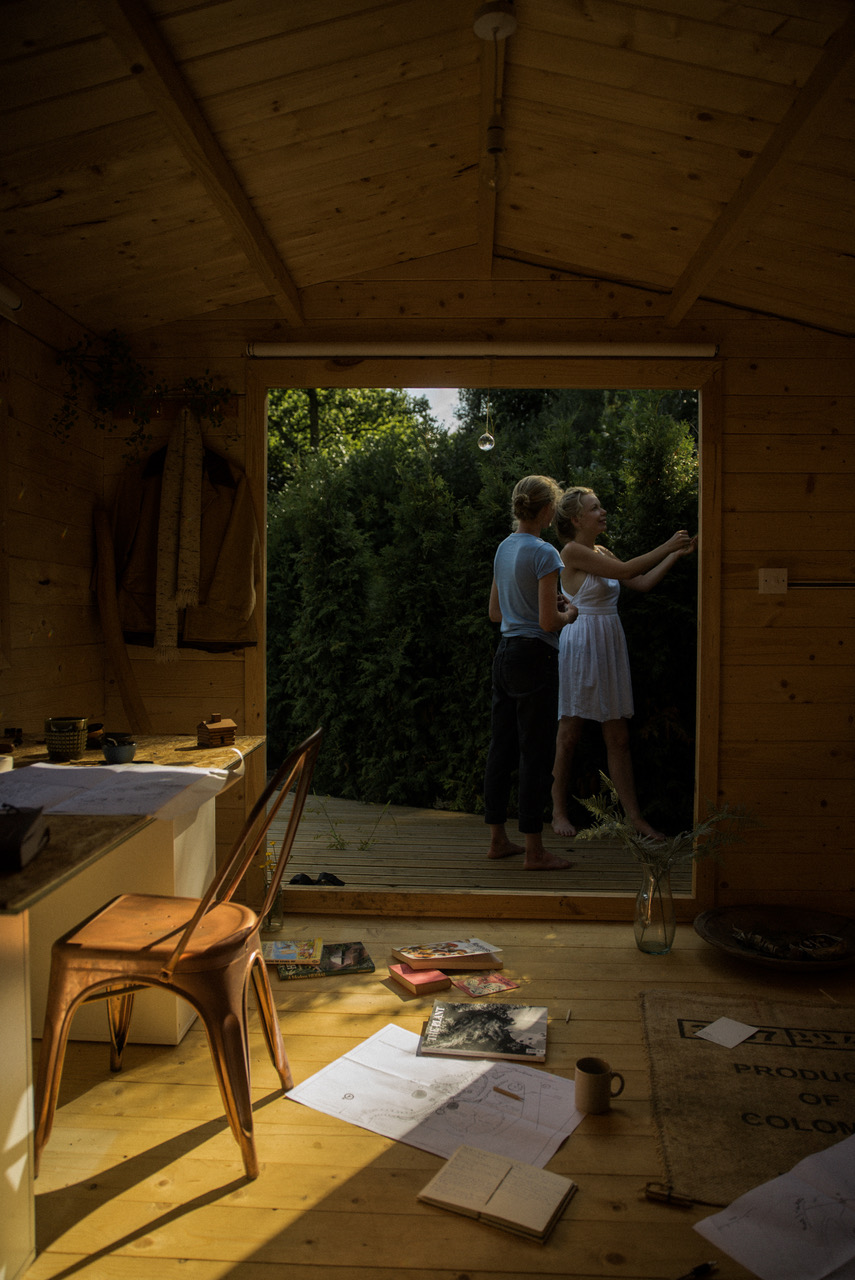
I kept returning to my seven years at Field Station ( https://www.instagram.com/field_station/ ) , a social permaculture project. Over those years, participants and I planted more than 20,000 bulbs.
I began thinking about the way a bulb stores energy over time. For long periods little is visible above ground, although roots are forming and next year’s flower is already folded inside.
Reserves can be built, drawn upon and depleted. What becomes possible at one moment is partly shaped by what has already been spent, and by the conditions surrounding the body.
That is familiar to me from living with an energy-limiting condition, where what I do today can change what energy is available tomorrow.
The bulb also brought time into the score.
A bulb has its own developmental time.
Pregnancy has gestational time.
A chronically ill body has what disability scholars and activists call crip time.
There’s also clock time.
These times do not necessarily align.
I became curious about what happens when the timing of a body meets a schedule determined from outside itself.
In horticulture, bulbs can be brought into flower early by changing the conditions around them, a practice called ‘forcing’.
The flower can still appear, and from the outside it may look like a success. But that appearance says nothing about the state of the reserves, or whether the bulb will flower next year.
A body can meet a deadline or appear capable without showing what it cost or what’s left in reserve.
Material Continuities
I am aware of how easily this kind of work could slip into an idea that ‘nature knows best’ but that isn’t my intention.
The Bulb comes from the experience of a chronically ill and hypermobile body. Bodies do not always self-correct, and something isn’t safe simply because it’s ‘natural’. Bodies may need medicine, clinical knowledge, technology, care and intervention.
I did not want nature to become a restorative scene placed somewhere outside the body.
The body is already part of the material world and in exchange with what surrounds it.
Ecologies of Support
The word held appears throughout the score.
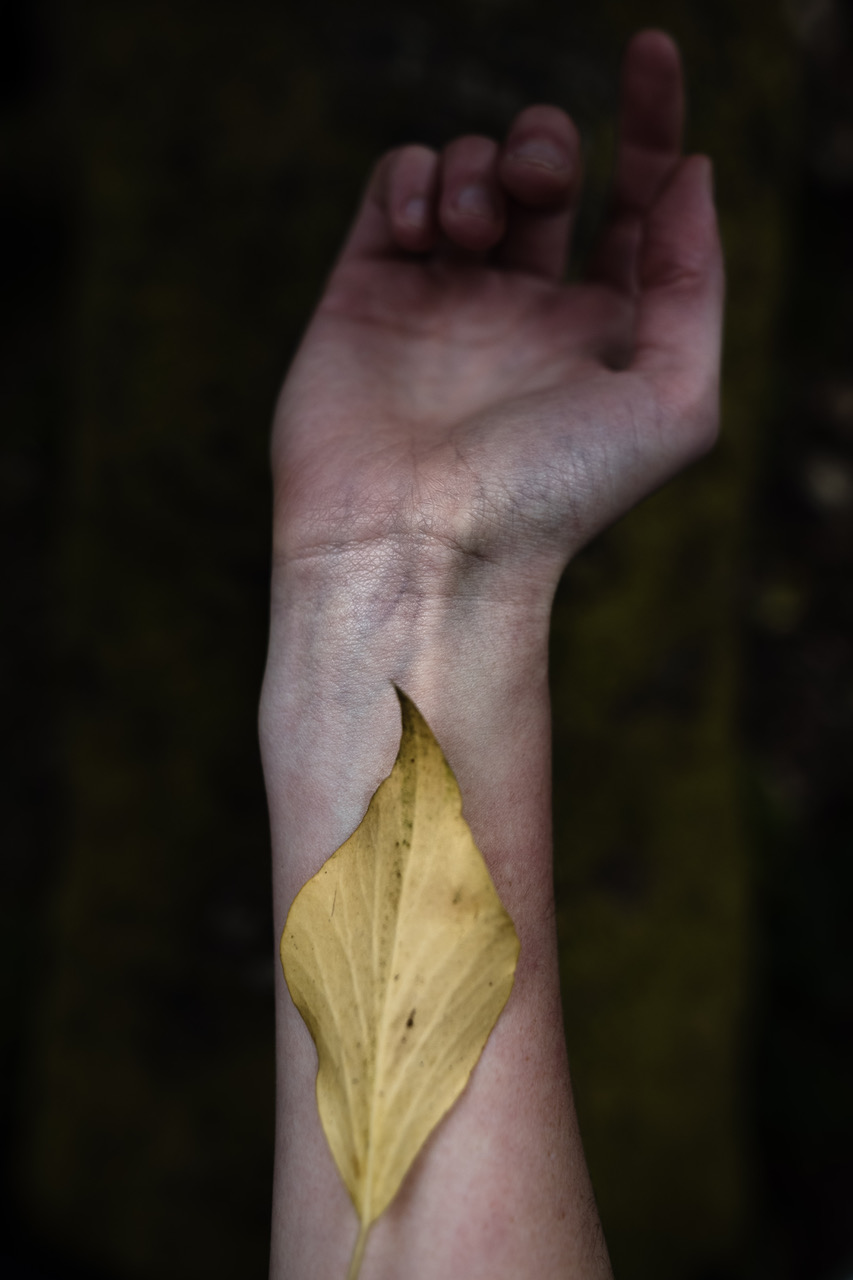
The listener is literally held by pillows, blankets and the earth beneath them.
At the same time, the pregnant body is holding another body.
While writing the score I tried to explore the movement between those positions.
Pregnancy makes the idea of bodily independence feel difficult to sustain. A body that is visibly sustaining another body is itself dependent on food, water, warmth, shelter, time, care and other people. For a body already living with chronic pain or illness, independence may never have felt available in the first place.
Rest is often spoken about as though it were simply an individual decision: you stop, you lie down, you rest. But being able to rest depends on conditions. Somewhere to lie down. Enough warmth. Enough time. The possibility of not being required elsewhere for a while.
Not all of those conditions are human. The bulb became useful here because its development also depends on what surrounds it. Soil, water, temperature, darkness and time are part of what makes growth possible.
Towards the end of the score, the distinction between the bulb and what surrounds it begins to loosen. The pregnant body is invited to imagine itself as both bulb and earth:
held and holding, surrounding and surrounded.
I am still thinking about support in this way, as part of what allows a body to continue at all rather than something added to an independent body afterwards.
The Activity of Rest
The practice invites stillness, but a pregnant body in pain may need to move. Pain in pregnancy is often framed as something to endure until it’s over. The practice doesn’t ask for that.
A hip may begin to hurt.
A pillow may need adjusting.
The baby may move.
The body may want to turn.
I did not want those moments to become interruptions, or evidence that somebody was doing it wrong.
When the baby moves, the score describes it as movement within stillness.
I became interested in the reverse too: the possibility of stillness within movement.
A bulb can look dormant while undergoing change. A resting body can be doing a great deal.
The line between rest and activity is still there, but it becomes less clean.
Rest can contain work.
That’s also why the longer periods of silence became important to the score.
At one point I stop speaking for several minutes. Nothing is asked of the listener. When the voice returns, it says:
Still here.
The practice continues.
The silence is part of the practice.
Unseen Becoming
a bulb is a whole life folded inward
beneath the paper skin
leaves thick with sun
gathered the year before
deep inside, the bloom already exists
spring bulbs send roots into the cold, dark ground
long before the earth shows any proof
i thought of this often when i was pregnant
how much of becoming
happens unseen
resting in the dark
the way she was resting in me
before anyone else knew she was there
Before Listening
If you are more than 20 weeks pregnant, please do this practice lying on your side rather than flat on your back.
Headphones are recommended.
The Bulb speaks directly about pregnancy and a pregnant body, so if that is difficult for you right now, it is fine to skip this one.
The Bulb is an ecosomatic rest practice, not medical care. I am not a clinician, and nothing in it is intended to diagnose or treat a medical condition or to replace advice from your midwife, maternity team, doctor or other healthcare professional.
If something comes up while you are listening that needs you, deal with that first. Stop, move or change position whenever you need to, and seek medical advice if you are concerned.
Please do not listen while driving or doing anything else that needs your focus.
Listen to The Bulb:
About Charisse
Charisse Baker is an eco artist based in West Sussex. She has been a somatic practitioner for more than 20 years. In 2011 she founded The Fleetwood Initiative, a charity working with connective arts practice and food security. She spent seven years at Field Station, a social permaculture project, and is now setting it up again on a larger site. She has a Masters in Social Sculpture from Oxford Brookes University.
